
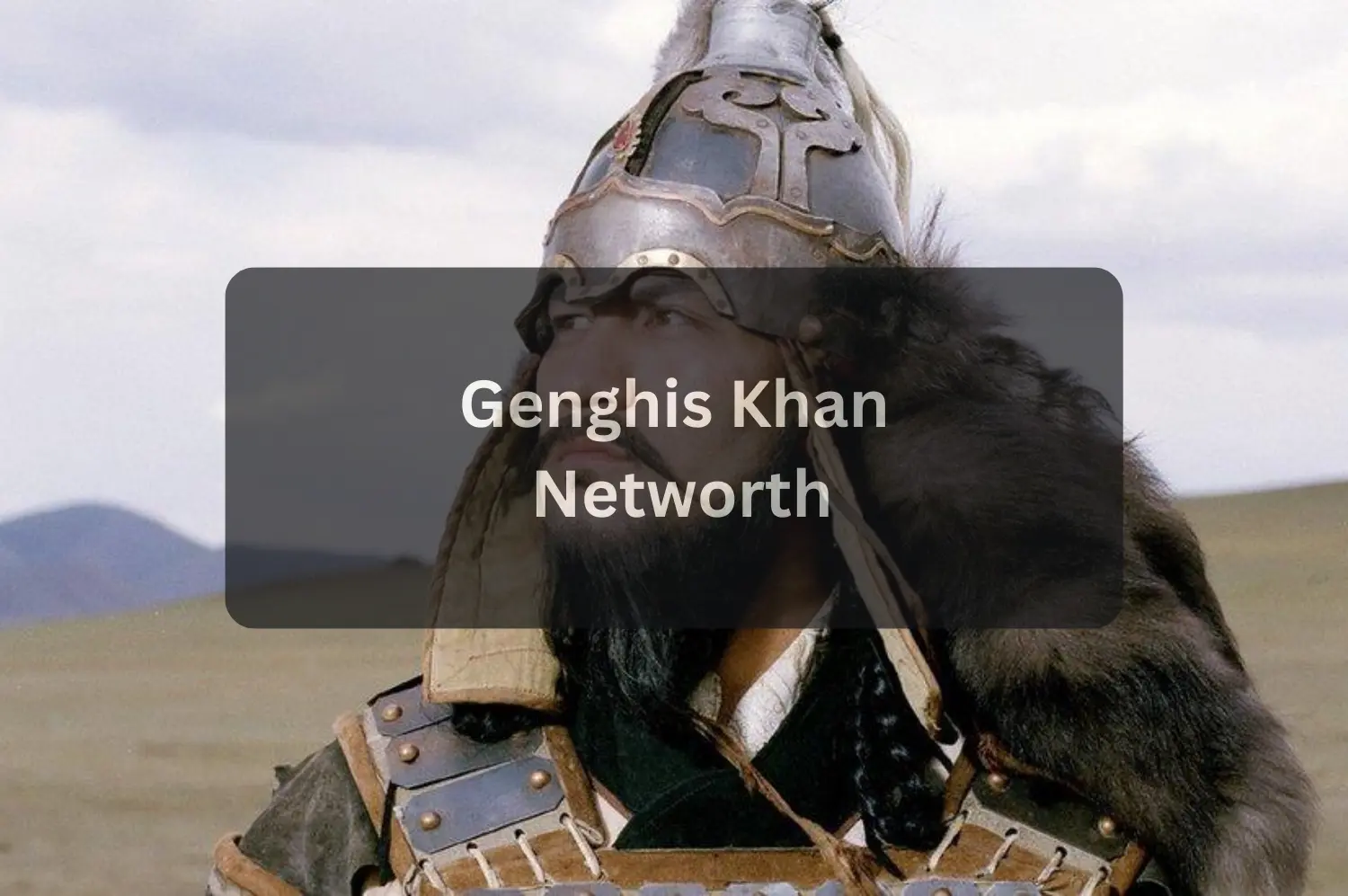

The topic of Genghis Khan net worth continues to attract massive attention in the United States and around the world. Many online rankings call him the richest person in history, even placing him above modern billionaires like Elon Musk or Jeff Bezos. Some estimates claim his fortune reached over 100 trillion dollars when adjusted for inflation. But how true are these claims, and how rich was Genghis Khan really?
To answer this properly, we must understand history, economics, and the difference between empire power and personal wealth. This article explains Genghis Khan wealth in simple English, using facts, historical context, and realistic comparisons.
Who Was Genghis Khan? (Brief Historical Overview)
Genghis Khan, born as Temujin birth name, was a powerful leader from Mongolia who lived from around 1162 to 1227. He united rival Mongolia clans and tribes through skill, strategy, and leadership. Over time, he became the Founder of the Mongol Empire, which later grew into the largest continuous land empire the world has ever seen.
His father, Yesukai father, was a tribal leader who was poisoned by rivals. After his death, Temujin faced extreme poverty and betrayal. These early struggles shaped his leadership style. Through relentless military campaigns, Genghis Khan conquered vast regions across China, Russia, Korea, Persia, India, and Eastern Europe. Because of this enormous expansion, historians often discuss him when debating Ancient rulers wealth and Empire-based wealth.
Why Genghis Khan’s Net Worth Is Hard to Calculate
Understanding Genghis Khan estimated net worth is extremely difficult because the idea of net worth did not exist in medieval times. There were no banks, no stock markets, and no personal balance sheets. Wealth was measured in land, power, people, and resources.
Most of what Genghis Khan controlled came from conquered kingdoms. These included gold and jewelry, livestock and horses, agricultural output, and tribute from defeated regions. However, this wealth belonged to the empire, not to him personally. This creates confusion between state vs personal wealth, which is the biggest reason behind exaggerated net worth claims found online today.Estimated Net Worth of Genghis Khan in Today’s Money
Many websites claim that Genghis Khan inflation adjusted wealth was between 100 and 130 trillion dollars. These figures come from calculating the conquered territories value and converting it into modern economic output. This method is known as a historical net worth comparison.
The table below shows commonly cited theoretical estimates used by historians and media outlets.
| Wealth Category | Estimated Value (Modern USD) |
| Land controlled | 80–100 trillion |
| Gold reserves and loot | 20–30 trillion |
| Livestock valuation | 5–10 trillion |
| Empire resources and tribute | 10–20 trillion |
| Net worth at death | 100+ trillion (theoretical) |
It is important to understand that these are theoretical wealth estimates, not money stored in vaults. Genghis Khan did not possess cash, banks, or private investments. His Genghis Khan financial power came from control, not ownership.
How Large Was the Mongol Empire at Its Peak?
The Mongol Empire reached its peak shortly after Genghis Khan’s death, covering nearly 22 percent of the Earth’s land surface. It stretched from the Pacific coast of China to Eastern Europe, including parts of Russia, Persia, and India.
This empire controlled major trade routes, including the Silk Road. This created massive economic dominance and explains why historians include Genghis Khan among Historical trillionaires. The empire’s capital regions included cities like Zhongdu capital, which was taken from the Jin Dynasty.
Because he owned large swaths of land through conquest, many assume he personally owned everything. This assumption is incorrect and leads to confusion about did Genghis Khan own all the land.
Did Genghis Khan Personally Own All That Wealth?
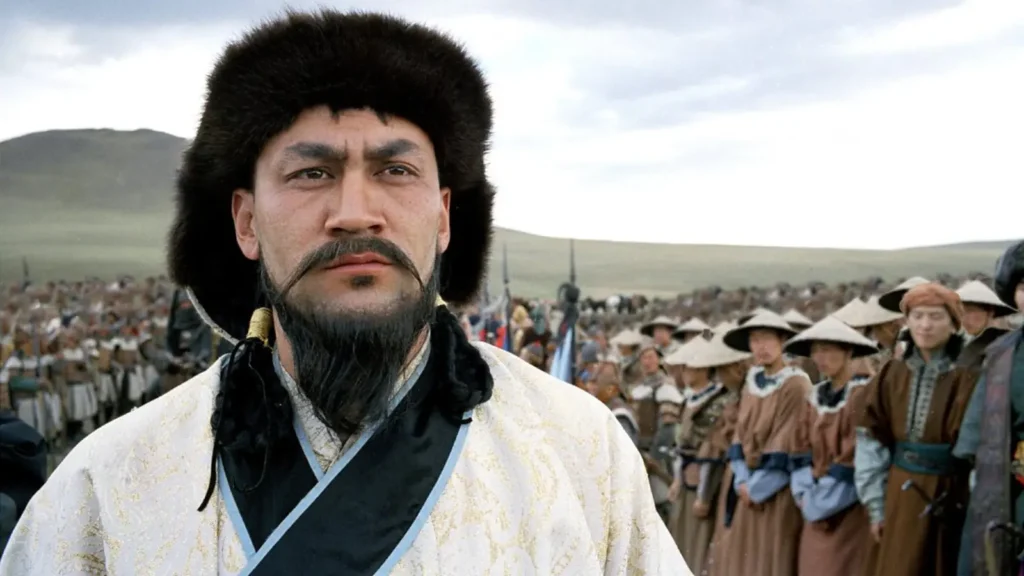
Genghis Khan did not live like a king surrounded by luxury. He believed wealth should support the empire, not personal indulgence. Much of the loot from war was redistributed. Historical records confirm that he shared plunder among troops, rewarding loyalty and skill.
His lifestyle was simple. He wore basic clothing, lived in tents, and avoided grand palaces. Unlike later monarchs, he did not hoard Genghis Khan riches or Genghis Khan money. This is why historians argue that calling him the wealthiest ruler ever depends on definition rather than reality.
Genghis Khan’s Attitude Toward Wealth and Power
Genghis Khan believed power came from unity, discipline, and fairness. He promoted soldiers based on ability rather than family ties. Artisans were protected, and he respected religious leaders, allowing freedom of worship. He ordered his armies to spare artisans and clerics during invasions.
Later in life, he even consulted Daoist priests, believing they knew the secret of eternal life. Despite ruling enormous lands, his burial was simple, and his grave remains an unknown burial site today. This modest approach explains why he left behind no visible treasure.
How Genghis Khan Compares to Other Richest People in History
When discussing was Genghis Khan the richest ever, historians often compare him to other powerful figures. Mansa Musa of Mali controlled vast gold supplies. Augustus Caesar ruled the Roman economy. Akbar the Great oversaw massive agricultural wealth. John D. Rockefeller built personal corporate wealth.
The key difference is that modern billionaires and industrialists owned private assets, while Genghis Khan controlled Medieval empire riches. His wealth was political and territorial, not personal.
Common Myths and Misconceptions About Genghis Khan’s Net Worth
One common myth claims that Genghis Khan had unimaginable treasure hidden somewhere. Another suggests his wealth exceeded the billionaires combined wealth of today. These claims are misleading. There is no historical evidence of massive personal hoards.
Media outlets and even Forbes historical rankings often oversimplify history for attention. This results in viral headlines but weak historical accuracy.
Why Genghis Khan Still Appears in “Richest Ever” Rankings
Genghis Khan appears in these rankings because modern writers equate land control with wealth. When converted into modern dollars, the output of his empire looks enormous. This makes him an easy candidate for the title of richest person ever lived, even though this ignores historical context.
Such rankings are useful for education but should not be taken literally.
Final Verdict:
So, how rich was Genghis Khan? He controlled the largest empire in history and commanded unmatched influence. His Genghis Khan fortune was real in terms of power, land, and authority. However, he did not personally own or spend this wealth.
In conclusion, Genghis Khan was not rich in the modern sense, but his Genghis Khan assets represented the greatest concentration of power the world has ever seen. Whether he was the richest depends entirely on how wealth is defined.
FAQs
How rich was Genghis Khan?
Genghis Khan controlled the largest empire in history, with an estimated theoretical net worth of over $100 trillion, though he did not personally own all of it.
Did Genghis Khan have gold and treasure?
He collected gold and jewelry through conquests, but most wealth was redistributed or controlled by the empire, not kept personally.
Was Genghis Khan the richest person ever?
By empire-controlled wealth, he is often ranked among the richest person in history, but personal ownership was far less than modern billionaires.
How was Genghis Khan’s net worth calculated?
Estimates are based on the conquered territories value, livestock, and resources, then adjusted for inflation to modern dollars.
Where is Genghis Khan buried?
His grave remains an unknown burial site in Mongolia, as he was buried modestly despite his vast empire


 By
By